
Preparing for a Florida Will Signing and Self-Proving Affidavit
If your attorney has prepared a Florida paper will, ask for their signing instructions before scheduling the appointment. A will signing and a notarization for a self-proving affidavit are related steps with different roles.
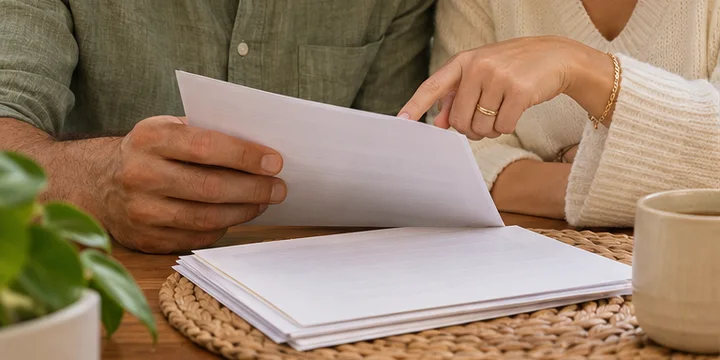
Confirm the documents and signing instructions
Florida’s will execution statute generally calls for a written will and two attesting witnesses. For a paper will, confirm with the attorney who will be present, what each person needs to sign and in what order. Bring the complete final packet to the appointment.
If a self-proving affidavit is included, ask the attorney to identify it and tell you where it belongs in the packet. Florida law provides a process for self-proof using the will maker’s acknowledgment and the witnesses’ affidavits before an authorized officer.
Arrange for everyone to be there
Confirm that the will maker and witnesses have a time when they can attend together. Check what identification they should bring. If you are coordinating the appointment at a residence or facility, allow enough time for everyone to arrive, review the instructions and sign.
For example, if you are booking a home visit for a relative, let the document preparer know if one of the witnesses cannot attend or if the signer may need accommodations. Resolve those questions before the appointment.
Request the visit once the packet is ready
Share the city, requested date and number of people who will attend. Tell us whether the packet includes a self-proving affidavit so we can plan the visit. Refer questions about creating or changing a will, choosing witnesses or document validity to your estate-planning attorney.
Official resources
Book a mobile notary or request apostille assistance
We serve Miami-Dade and Broward counties by appointment.